



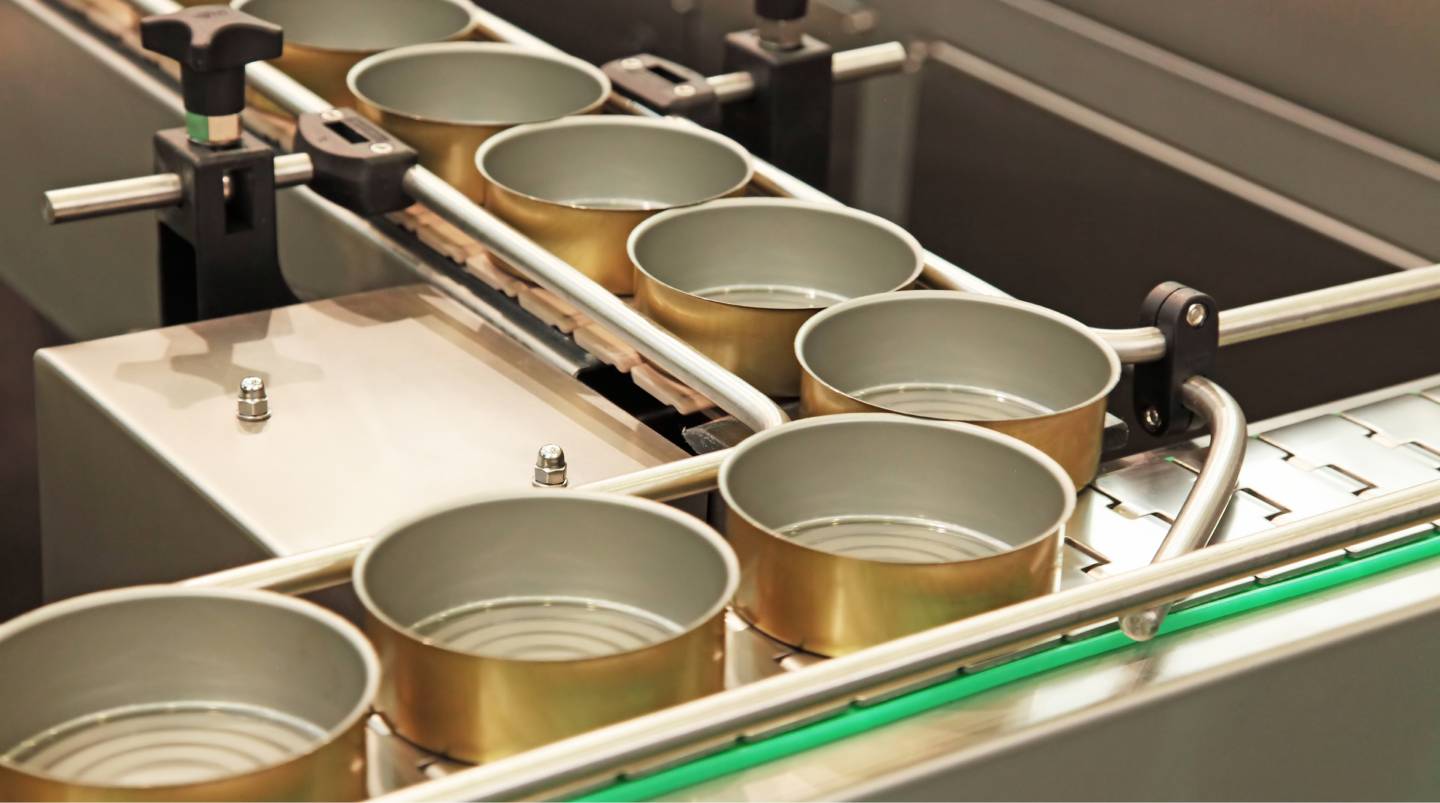
Steam for virus and bacteria elimination
Canning Industry
Industrial steam for the sterilization of canned goods
GICONMES designs and develops equipment and processes that are fully tailored to the food industry, taking into account the specific needs and characteristics of each product and sector.

Steam boilers for the canning sector
Proper temperature and steam management for optimal canning of preserved goods

The food industry in general, and the canning industry in particular, require sterile processes and products.
The elimination of all types of viruses and bacteria during the production process, as well as in the containers intended for market release, and the proper preservation of food until consumption, are the main objectives of the sector.
In the process of canning, temperature management and correct feeding of the autoclave with high-quality steam are essential to achieve the highest quality.
During stages 5 and 7 of the canning process, steam is necessary:
- Entrance of the can base into the packaging line.
- Filling of the packaged product.
- Sealing of the can.
- Marking/Identification.
- Continuous hot water washing at 50-60ºC. (steam)
- Loading into the autoclave.
- Autoclaving: (steam)
- Hermetic sealing.
- Water filling.
- Initiation of recirculation and direct/indirect heating to pre-set temperature/pressure.
- Maintenance of the set temperature and pressure conditions for the predetermined time.
- Cooling.
- Palletizing.
Steam Generators
Most commonly used models in the canned food sector.
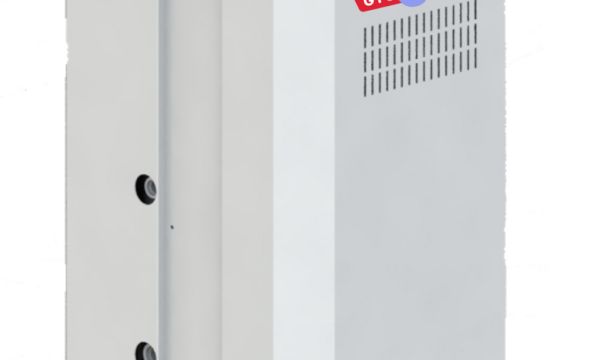

Generador de vapor eléctrico con 2 configuraciones disponibles. Ofrece un potencia variable de 6 a 9 kW, con capacidad de 8 litros y una producción de vapor de hasta 12 Kg/h.
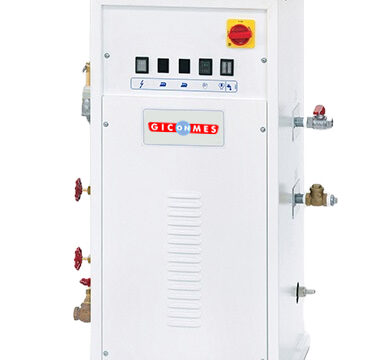
Generador de vapor eléctrico con 2 configuraciones disponibles. Ofrece un potencia variable de 9 a 15 kW, con calderas de 17 litros y una producción de vapor de hasta 20 Kg/h.
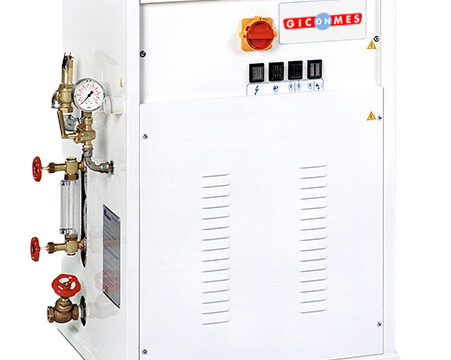
Generador de vapor eléctrico con 4 configuraciones disponibles. Ofrece un potencia variable de 18 a 48 kW, con caldera de 30 litros y producción de vapor de hasta 64 Kg/h.
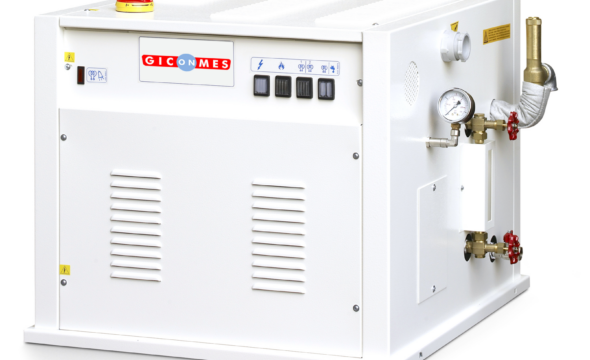
Generador de vapor fijo con 6 configuraciones disponibles. Ofrece un potencia variable de 20 a 60 kW, con caldera de 60 litros y una producción de vapor de hasta 80 Kg/h.
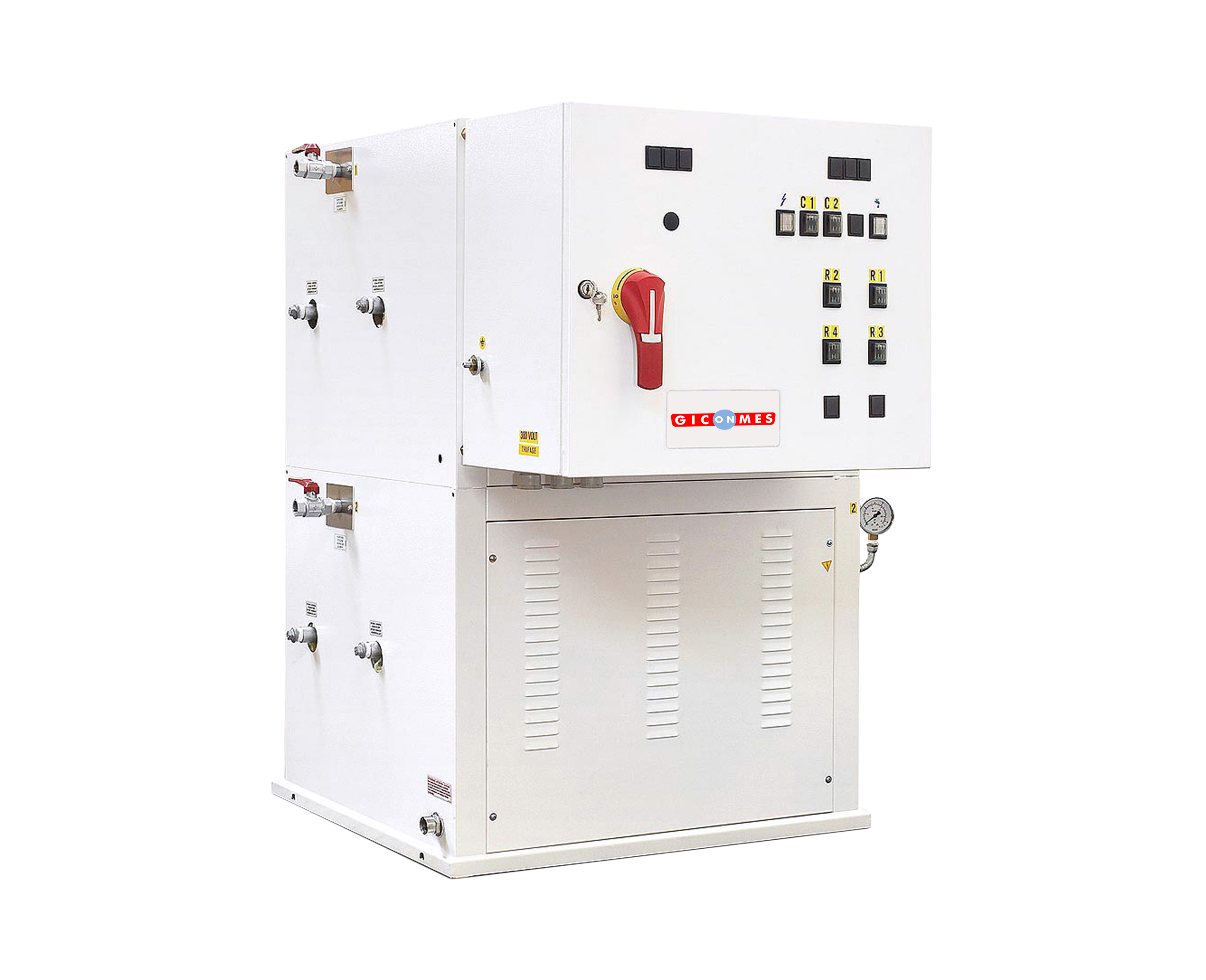
Generador de vapor eléctrico con 3 configuraciones disponibles. Ofrece un potencia variable de 80 a 120 kW, con dos calderas de 60 litros y una producción de vapor de hasta 160 Kg/h.
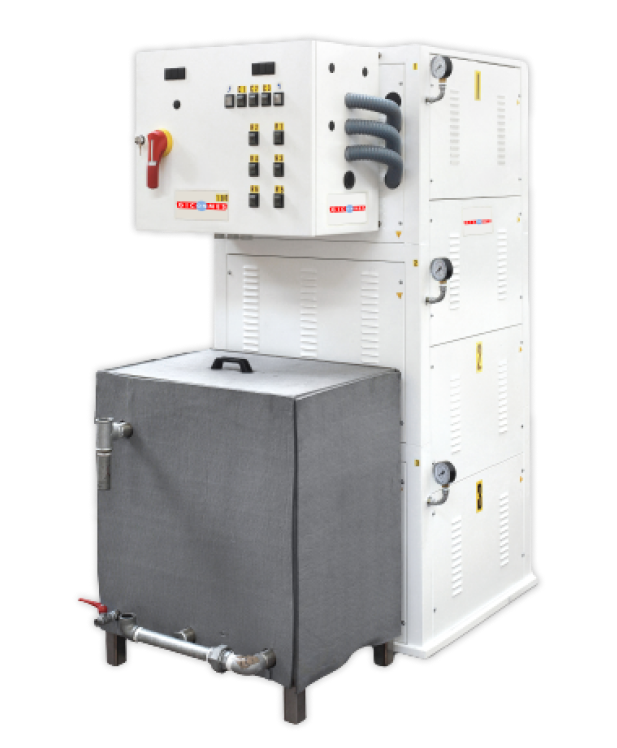
Generador de vapor eléctrico con 3 configuraciones disponibles. Ofrece un potencia variable de 125 a 180kW, con tres calderas de 60 litros, cada una y una producción de vapor de hasta 240 Kg/h.
Would you like to learn about real-life cases similar to yours?

Do you have any doubts to solve? Our team of professionals is here to assist you
 FAQs.
FAQs.
We understand that many questions may arise. Here are some of the most common ones:
There are no emissions other than those generated in the electricity production process. Therefore, they can be neutral depending on the electric power mix. Electric steam boilers are the present and the future.
Absolutely. In fact, it is recommended to achieve maximum efficiency. There is no problem with remote control as long as the current regulations are respected.
A steam generator is a pressure vessel that, along with the network of pipes, is subject to regulatory control and complementary technical instructions, as stated in the Regulation published in Royal Decree 809/2021, dated September 21st. The maintenance is divided into a part that is simple for the owner to fulfill:
- Familiarize yourself with and apply the manufacturer’s instructions regarding the use, safety measures, and maintenance.
- Do not put the installation into service or prevent the operation of pressure equipment if the requirements of the Regulation are not met.
- Keep at least the following documentation of the pressure equipment while they are installed: Declaration of conformity, manufacturer’s instructions if applicable, and, if applicable, installation certificate, along with other supporting documentation (such as Installation Project, a record of the last periodic inspection, certifications of equipment repairs or modifications, as well as any other documentation required by the corresponding complementary technical instruction (ITC) of this regulation). For specific details, please refer to Annex IV of the regulation. This documentation should be made available to the competent authority of the autonomous community and to companies performing maintenance, repair, or periodic inspections.
- Use the pressure equipment within its intended operating limits as specified by the manufacturer and take it out of service if it no longer meets the necessary safety requirements.
- Perform maintenance on the installations, pressure equipment, safety accessories, and control devices in accordance with the operating conditions and manufacturer’s instructions, ensuring they are inspected at least once a year.
- Arrange for the performance of the periodic inspections corresponding to them in accordance with the provisions of Article 6 of the regulation.
- Maintain an up-to-date record of the pressure equipment belonging to categories I to IV, as defined in RD 709/2015, of July 24, or equipment assimilated to these categories according to Article 3.2 of the regulation, as well as their installations.
It is known that by applying heat to water, it transforms into steam at the boiling point under atmospheric pressure. From there, depending on the required degree of steam saturation for its proper application, we need to increase the pressure to obtain higher temperature. To change the temperature and saturation level of steam, the pressure must be modified.
It is a unit of pressure equivalent to 1 kg/cm², 0.98 atmospheres, or 14.50 PSI.
Couldn't find answers to your questions?
Send us a question or download all the information.
This can be an H2 headline.
Other Industries that use steam for similar procedures
Discover how other industries utilize steam for similar procedures and improve the efficiency and sustainability of your processes with this technology. Click here for more information.
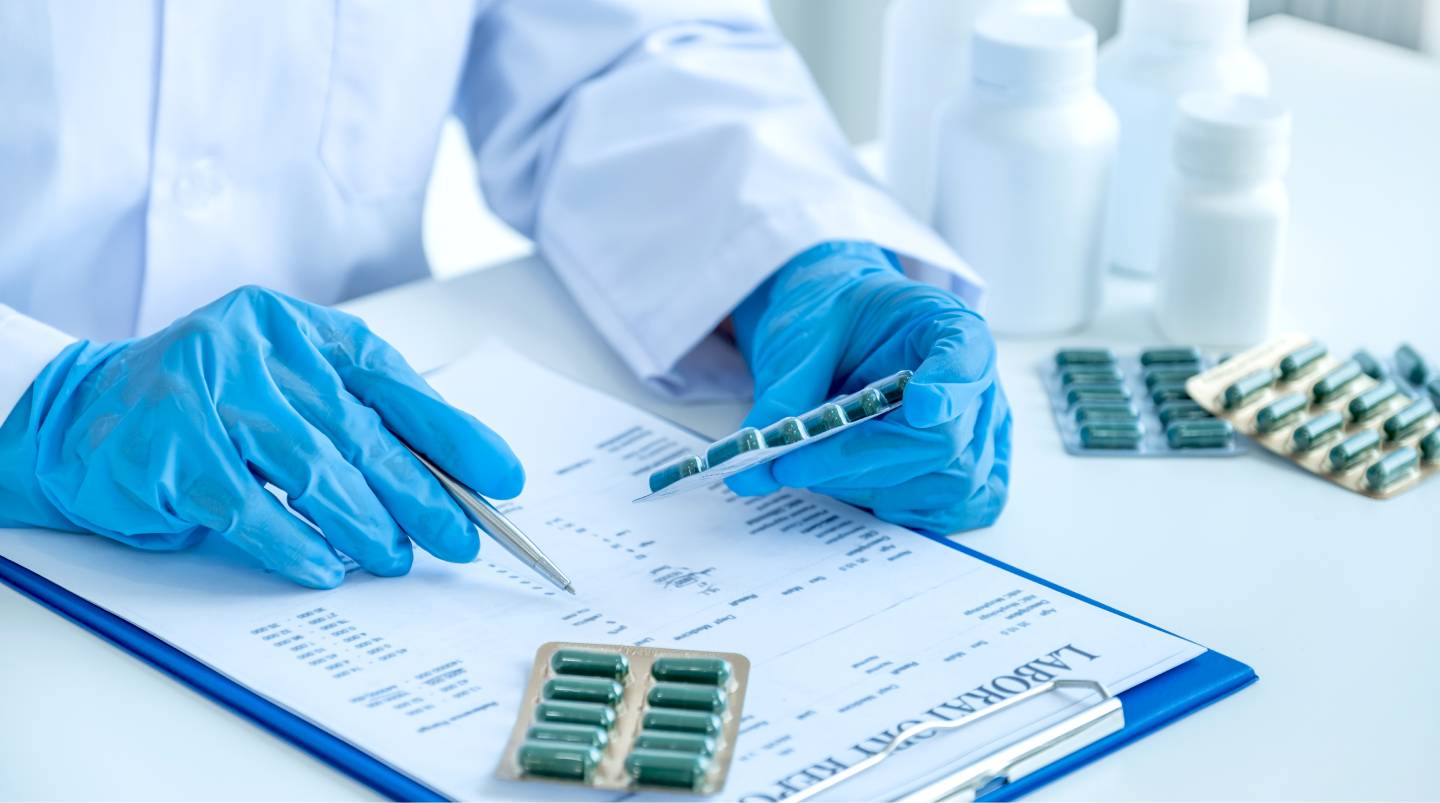
La fabricación de fármacos y productos cosméticos es unos de los procesos más complejos que existen en el sector industrial; por este motivo, la precisión es determinante durante todo el tramo fabril

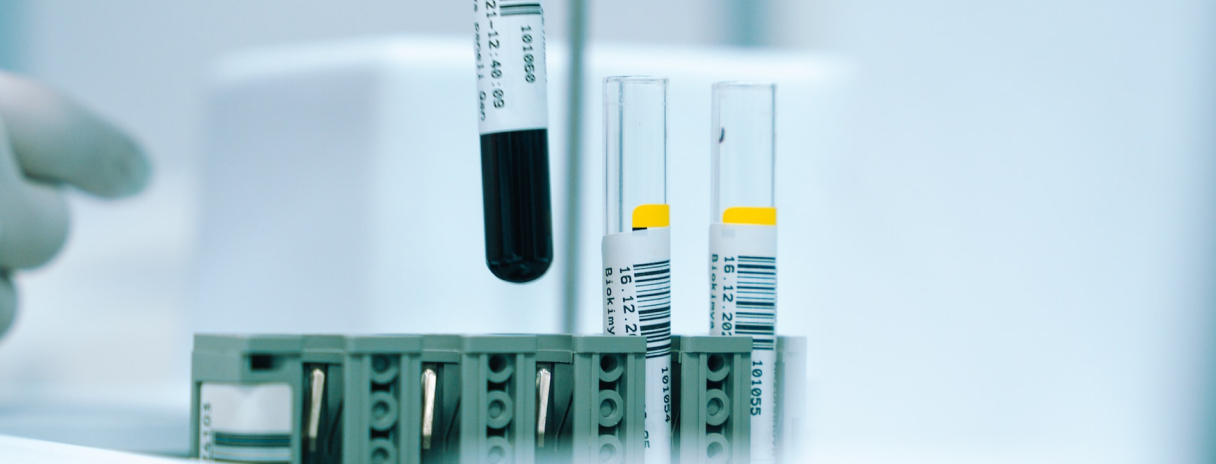
En varias fases de la producción y el procesamiento de productos biotecnológicos se emplea el vapor de calderas eléctricas Giconmes.