


INDUSTRIES
Facility Management
Steam generators: efficiency in facility management.
Mobile steam generators are efficient and versatile tools that play a key role in facility management.

This can be an H2 headline.
Mobile steam: an integrated solution for facility management.

Mobile steam presents itself as a comprehensive solution for efficient facility management.
With portable steam generators, it is possible to carry out cleaning and disinfection tasks in various environments, as well as provide heating and hot water supply to meet thermal comfort needs.
Cleaning
Mobile steam generators have become valuable tools for cleaning and maintenance in a wide range of facilities, including residential, commercial, and industrial settings. These portable equipment provide an efficient and versatile solution to remove dirt, grease, stains, and other types of contaminants from surfaces and equipment:
- In residential settings, mobile steam generators are used for deep cleaning and disinfection of different areas, including floors, carpets, tiles, bathrooms, kitchens, and windows. High-temperature and high-pressure steam penetrate surfaces, dissolving embedded dirt and killing germs and bacteria. Specialized attachments can also be used to clean furniture, curtains, mattresses, and other items.
- In commercial environments such as restaurants, hotels, hospitals, and offices, mobile steam generators are ideal for maintaining cleanliness and sanitation. They are used to disinfect kitchens, food preparation equipment, bathrooms, carpets, chairs, and other items, providing a clean and safe environment for customers and staff.
- In the industry, mobile steam generators are widely used for cleaning and maintenance of equipment and machinery. They are used in production plants, warehouses, manufacturing facilities, and other industrial areas to remove oils, grease, residues, and dirt from engines, pipes, heavy equipment, metal structures, and industrial surfaces in general.
Heating
Steam is used as a heating source and for providing heat in facility management, supplying hot water for various purposes.
High-temperature steam is used to heat water in central heating systems, radiators, and water heaters, generating comfortable heat and hot water for domestic, commercial, and industrial use. This application of steam as a heat source offers efficiency and versatility, contributing to thermal comfort and meeting the hot water needs in different environments.
Steam Generators
Most commonly used models in the wine industry.


Sala de calderas instalada en container de 40 pies compuesta por seis calderas de 180kW cada una capaces de generar conjuntamente 1.500kg/hora de vapor

Salda de calderas instalada en un container de 40 pies y otro de 20 pies (superpuestos) compuesta por nueve calderas de 180kW cada una capaces de generar conjuntamente 2.200kg/hora de vapor

Generador de vapor móvil de 20kW especialmente diseñado para la industria vinícola. Se utiliza principalmente para la sanitización de barricas

Generador de vapor móvil de 20kW que trabaja a 10 bar de presión. Está concebido para limpieza y desinfección industrial, como por ejemplo: procesamiento de alimentos, envasado, industrias mecánicas, biotecnológicas y farmacéuticas
Would you like to learn about real-life cases similar to yours?

Do you have any doubts to solve? Our team of professionals is here to assist you
 FAQs.
We understand that many questions may arise. Here are some of the most common ones:
There are no emissions other than those generated in the electricity production process. Therefore, they can be neutral depending on the electric power mix. Electric steam boilers are the present and the future.
Absolutely. In fact, it is recommended to achieve maximum efficiency. There is no problem with remote control as long as the current regulations are respected.
A steam generator is a pressure vessel that, along with the network of pipes, is subject to regulatory control and complementary technical instructions, as stated in the Regulation published in Royal Decree 809/2021, dated September 21st. The maintenance is divided into a part that is simple for the owner to fulfill:
- Familiarize yourself with and apply the manufacturer’s instructions regarding the use, safety measures, and maintenance.
- Do not put the installation into service or prevent the operation of pressure equipment if the requirements of the Regulation are not met.
- Keep at least the following documentation of the pressure equipment while they are installed: Declaration of conformity, manufacturer’s instructions if applicable, and, if applicable, installation certificate, along with other supporting documentation (such as Installation Project, a record of the last periodic inspection, certifications of equipment repairs or modifications, as well as any other documentation required by the corresponding complementary technical instruction (ITC) of this regulation). For specific details, please refer to Annex IV of the regulation. This documentation should be made available to the competent authority of the autonomous community and to companies performing maintenance, repair, or periodic inspections.
- Use the pressure equipment within its intended operating limits as specified by the manufacturer and take it out of service if it no longer meets the necessary safety requirements.
- Perform maintenance on the installations, pressure equipment, safety accessories, and control devices in accordance with the operating conditions and manufacturer’s instructions, ensuring they are inspected at least once a year.
- Arrange for the performance of the periodic inspections corresponding to them in accordance with the provisions of Article 6 of the regulation.
- Maintain an up-to-date record of the pressure equipment belonging to categories I to IV, as defined in RD 709/2015, of July 24, or equipment assimilated to these categories according to Article 3.2 of the regulation, as well as their installations.
It is known that by applying heat to water, it transforms into steam at the boiling point under atmospheric pressure. From there, depending on the required degree of steam saturation for its proper application, we need to increase the pressure to obtain higher temperature. To change the temperature and saturation level of steam, the pressure must be modified.
It is a unit of pressure equivalent to 1 kg/cm², 0.98 atmospheres, or 14.50 PSI.
Couldn't find answers to your questions?
Send us a question or download all the information.
This can be an H2 headline.
Other Industries that use steam for similar procedures
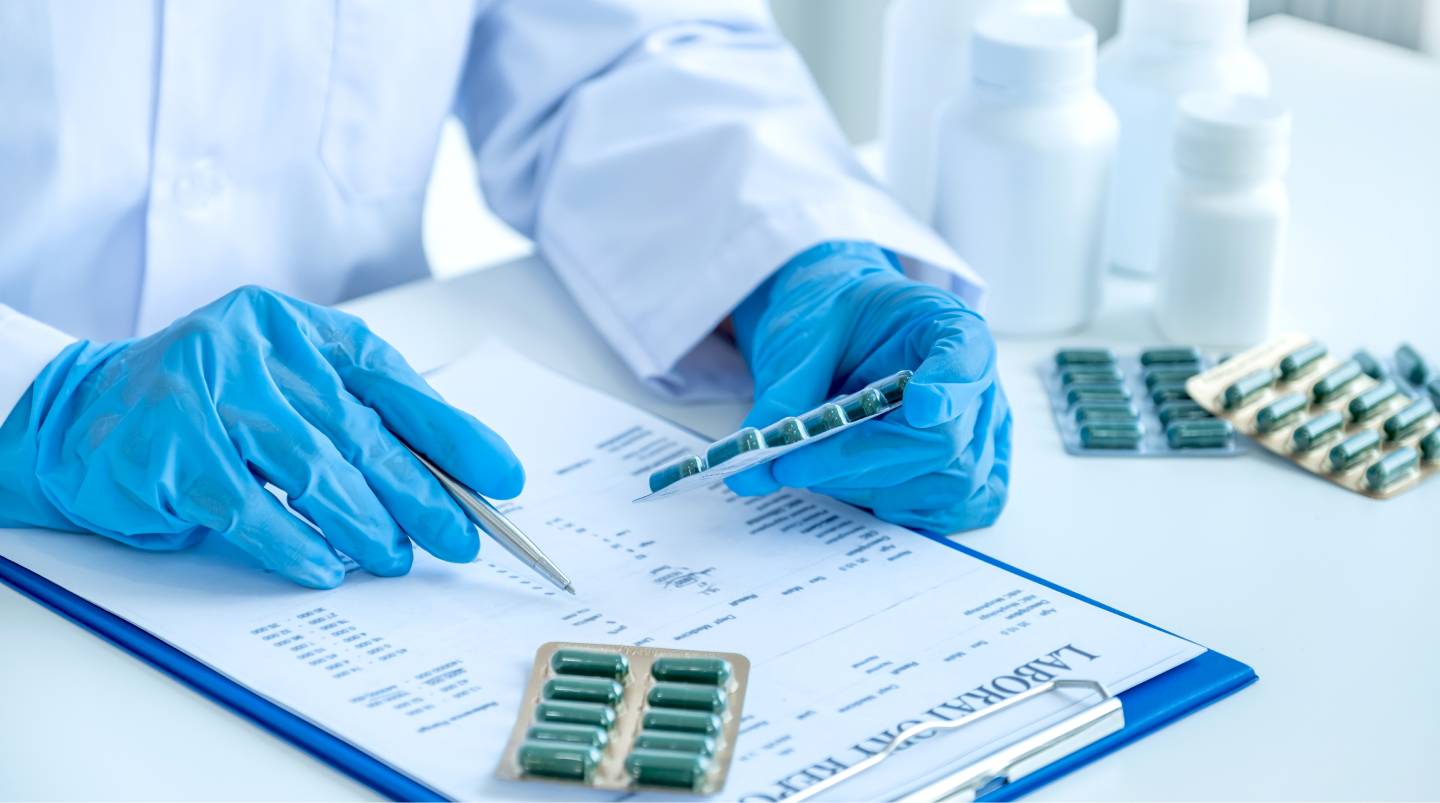
La fabricación de fármacos y productos cosméticos es unos de los procesos más complejos que existen en el sector industrial; por este motivo, la precisión es determinante durante todo el tramo fabril

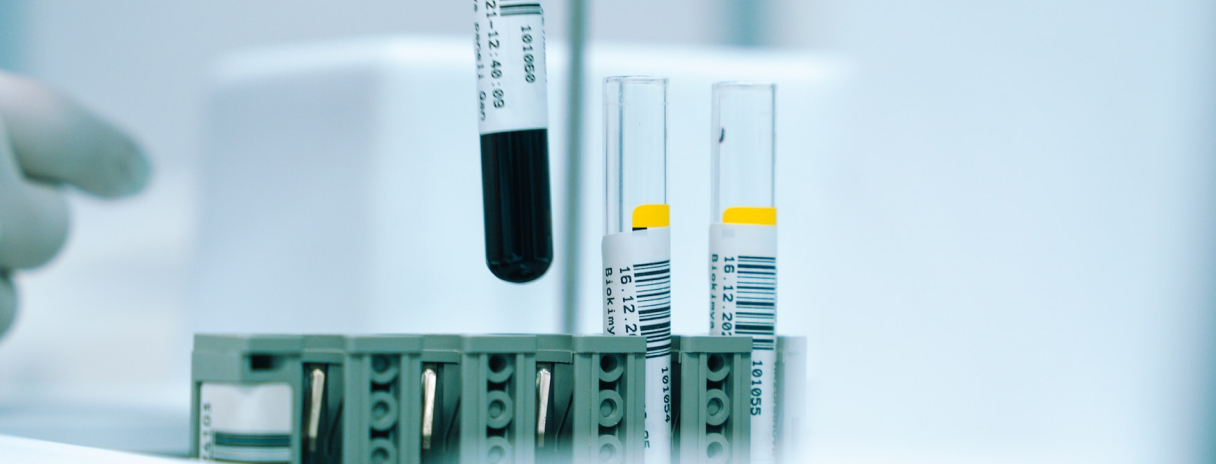
En varias fases de la producción y el procesamiento de productos biotecnológicos se emplea el vapor de calderas eléctricas Giconmes.